Please notify me whenever this page is updated.

with PhotoTherapy
with Therapeutic Photography


• With PhotoTherapy:

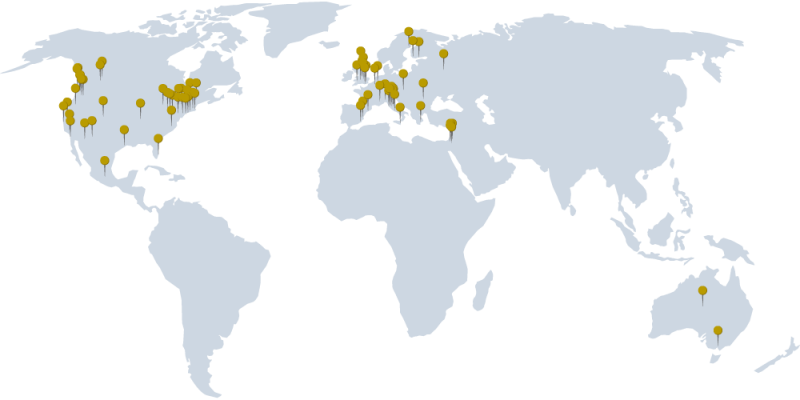
       Below is a sample of how therapists, counselors, and other mental health professionals all over the world are using PhotoTherapy techniques in their work helping clients. The few lines about each person below is just a brief summary introduction; contact them directly for more information. If you yourself are a therapist or counselor who uses PhotoTherapy techniques with your clients, and you want to have a short description about your work and interests considered for addition to this page, please send it directly to the PhotoTherapy Centre.

PhotoTherapy in general* (working with a variety of client populations or issues).
  * Please note: others are listed in separate categories below, if they have a particular specialty population or focus, so please also see those categories below too!:

  1. David Krauss, Cleveland, OH (dakrauss@aol.com) is a Licensed Psychologist, Certified Chemical Dependency Counselor, Musician and Professional Photographer. One of the earliest pioneers of PhotoTherapy, he has taught PhotoTherapy workshops for over twenty years and is still involved in mentoring students. His current consulting and private counseling practice focuses on men's issues and geriatric populations and he has authored numerous excellent publications about PhotoTherapy theory and practice, including two book chapters (1983) that together provide an excellent and very clear (and eloquent) introduction to the theoretical underpinnings of the fields of both PhotoTherapy and Therapeutic Photography (to download these two Chapters click here [3.5 MB] and here [2 MB]). To read David Krauss' bio, click here;


  2. Joel Walker, Toronto, ON (Canada) (JoelWalker@rogers.com) is a Psychiatrist and Photographer, who is another one of the earliest pioneers of PhotoTherapy (especially regarding Photo-Projective techniques). Interested in a variety of aspects relating to the unique ways in which people create meaning from viewing a photographic image-stimulus, he has not only used both projective imagery and interactive camera work with his psychiatric clients for over 25 years, but also produced a large body of professional publications, numerous photographic publications and exhibitions (including many interactive ones in several countries), and the "Walker Visuals Kit", which is a set of four large photos and information about using these as a means of helping patients by following their responses over time. (To read an article about him and his Kit, click here). His latest website, "Portraits of the Human Spirit", presents a variety of stories and photos connected with them, and about his work using photos as the bridge to healing (to download a brief article about this, click here). To read Joel Walker's bio, click here;


  3. Mark Wheeler, Derbyshire, England (phototherapy@talktalk.net and also mark.wheeler@nottshc.nhs.uk) is a Registered Art Psychotherapist working in a Child & Family Therapy Clinic. Mark was the first British photography graduate to undertake postgraduate Art Therapy training and has subsequently obtained a postgraduate Diploma in Systemic Practice with families & couples. He has used photographs in work with families and individuals with a variety of issues, taught Bereavement Counselors about "using photos in bereavement work and how to work systemically with photos", and has facilitated workshops for Art Therapy students and Mental Health Nurses. Mark has recently been awarded a Fellowship of the Royal Photographic Society for his work examining the psychological dimensions of making and viewing photographs. To read Mark Wheeler's bio, click here;


  4. Ulla Halkola, Turku, Finland (ulla.halkola@spectrovisio.net) is both a Licensed Professional Psychotherapist in private practice and an Education Coordinator for the Centre for Extension Studies at the University of Turku (Finland), where she designs and organizes courses in the fields of psychotherapy, mental health, and health-promoting organizational development ("and photography influences my work as Coordinator as well as in PhotoTherapy education!"). Specializing in Trauma Therapy, her Thesis (October 2003) was about "Using Photographs in Crisis Therapy". She has organized many PhotoTherapy workshops and many extensive programs at the University of Turku (including “Pictures and Stories in Therapy and Counseling” and "Photographs and Stories in Organizational Development"), which are based on both phototherapeutic and bibliotherapeutic techniques). Founding member and first Chairperson of the "Finnish PhotoTherapy Association" (founded in February 2004), she is also a photographer, and has had several photographic exhibitions -- as well as also created a set of "Spectro (Spectro-Visio) Cards" (photographs on hand cards which are used to trigger associations, memories and feelings) which are now being used in other countries as well. More about Ulla Halkola and her work can be found here; to read her bio, click here;


  5. Carmine Parrella, Lucca, Italy (c.parrella@usl2.toscana.it) is a Psychologist and Psychotherapist who works for the National Public Mental Health Service ("U.F. Salute Mentale Adulti ASL2 Piana di Lucca") in the town of Lucca, Tuscany in Italy. For the past five years he has been leading and developing various experiential multimedia art therapy programs applied to three different contexts: psychiatric rehabilitation, community-based prevention programs, and psychotherapy practice. He also conducts both "Therapeutic Video" and "Therapeutic Photo" workshops for clients with severe psychiatric disorders. He is experimenting with the therapeutic potential of digital imagery (both photograph and video) exposition and manipulation, and he is trying to develop programs to reduce the stigma toward psychiatric patients through the active use of photo and video by the patients themselves. To read Carmine Parrella's bio, click here;


  6. Francisco Avilés-Gutiérrez, Mexico City, Mexico (francisco_aviles@mac.com) is a Psychologist and Couple and Family Therapist at the National Institute of Pediatrics in México City, where he serves as the Coordinator and Training Supervisor of the Masters Program in Family Therapy at its "Instituto de la Familia" ("IFAC"), the Family Institute where he specializes in doing systemic therapy with patients who have chronic or terminal illnesses -- as well as maintaining a private family therapy practice. He is also a full-time Professor in Family Psychology at the Universidad Autónoma Metropolitana and is the President-Elect of the "International Family Therapy Association". In all of this work, he has long involved the use of PhotoTherapy techniques, not only during therapy process, but also in the training and supervising of future family therapists. Founder and Director of the new "Instituto Latinoamericano de Psicología y Fotografía" ("The Latin-American Institute of Psychology and Photography") in México City, he has also recently co-founded (together with Judy Weiser), a new "Interest Group" for the American Family Therapy Academy ("AFTA"), titled "Using PhotoTherapy Techniques in Family Therapy". To read his bio, click here; for a list of his publications, lectures, presentations, and workshops, please contact him (in Spanish, English, or French) at the email address above;


  7. Nirit Lavy Kucik, Herzliya Israel (kucik@netvision.net.il) is a certified psychotherapist (MSW), trained in psychoanalytic and family therapy. She provides supervision to a team in a mental health clinic in Ranana, Israel, and works with couples and individuals in her private practice. Having used PhotoTherapy techniques in her practice for over twenty years, she has been teaching it for almost as long (to mental health professionals from all over the country, as well as those taking postgraduate studies in Integrative Psychotherapy, and those in the PhotoTherapy department at Musrara School of Digital Media). She has also led an annual Phototherapy Workshop at the Hebrew University in Jerusalem and also gives in-service PhotoTherapy training to various mental health agencies. In 1991, she co-authored the first article about PhotoTherapy in Hebrew in Israel (in Sichot Dialogue: Israeli Journal of Psychotherapy) with Israeli psychiatrist Eliezer Witztum and still uses these techniques in many ways (especially with adults such as second-generation holocaust survivors or couples affected by life-cycle developmental issues, as well as regarding child abuse and neglect).


  8. Catherine Ravella, Pittsburgh, PA (cravella@comcast.net) is a Psychiatric Nurse and Certified Sex Therapist in private practice. She uses patients' personal photographs in therapy sessions to tap into emotional material that often is difficult for patients to speak about. She introduces PhotoTherapy to couples for enrichment and intimacy-building. As a supervisor for the American Association of Sex Educators, Counselors and Therapists, Dr. Ravella has created a "mnemonic device" to help students remember to use this therapeutic modality -- "P.H.O.T.O." (©2004: PROPOSE a photo gathering session; HELP the patient describe the scene and identify the personal meaning in their photos; OBSERVE the patient's reaction and emotional response; TALK about the therapists observations; ORIENT to present stage of life instead of the past);


  9. Lauri Mannermaa, Helsinki, Finland (lauri@fotosynteesi.fi) is a Licensed Psychologist in private practice, as well as a Professional Photographer with numerous publications and exhibitions of his work. His workshops focus on teaching the meaning and possibilities of the visual level and typically have titles that signal the complexities of symbolic photographic communication. Recent workshops and courses have been for psychotherapy and art academy students, marketing institute personnel, and other diverse groups. Defined as eclectic, Mannermaa’s PhotoTherapy psychotherapy practice includes both groups and individuals, and his Photographic work can be viewed on his website "Fotosynteesi" ["Photosynthesis"];


  10. Janice Havlena, Madison WI (jhavlena@earthlink.net) is an Art Therapist who directs an undergraduate Art Therapy major at Edgewood, a small, private college in Madison, WI. In her clinical practice she has been incorporating the use of photos in her clinical practice, formerly in Albuquerque and Santa Fe, NM, at UNM Children's Psychiatric Hospital, and the Milton Erickson Institute of NM, for at least 12 years. Most often, she has involved clients in using color photocopies of their snapshots in collages and assemblages, and mixed media work, and using snapshots in combination with Ericksonian hypnotherapy methods;


  11. Sharon Sanborn, Seattle, WA (SSanborn@SeattleArtTherapy.com) is a Licensed Mental Health Counselor trained as an Art Therapist and Hypnotherapist with over twenty years experience in the mental health and teaching fields. In addition to her psychotherapy private practice at "Open Door Counseling and Workshops", she has worked in inpatient and outpatient mental health facilities and crisis intervention settings with individuals, couples and groups of all ages using a Narrative approach with Cognitive Behavioral techniques. Her approach blends verbal and non-verbal therapy with the use of Hypnotherapy and Art Therapy (utilizing art materials, photography and video). Her therapy specialty areas are: anxiety, mood and eating disorders, work, relationship, sexuality, gender, and GLBTQ issues. She also conducts workshops (for example, "Exploring Relationships through Photos", and also "The Art of Gender", which is about exploring gender identity and sexuality issues, using participants' photos and art materials);


  12. Marina Strauss, Barcelona, Spain (marinastrauss@yahoo.com) is a Psychologist and Art Therapist, with a Masters in Expressive Therapies and Mental Health Counseling, who has long used PhotoTherapy techniques with her clients (youth as well as adults). She also teaches workshops in these techniques (in both English and Spanish);


  13. Maureen Rosenblum, Shorewood, WI (leafnstone@aol.com) is a Psychotherapist in private practice and fine arts photographer, who has combined these interests by giving workshops and continuing education classes on "Developing the Inner "I" -- Self-Discovery Through Photographs";


  14. Jan Sitvast, Netherlands (jsitvast@zonnet.nl) is a nurse specialist in mental health who is involved in projects where he has patients make photographs of what they consider important in their lives. "Doing this helps them deconstruct their stories as helpless victims and only consumers of our care. Instead, they become active fellow-citizens portraying their lives. By organizing expositions with their photos, patients become our teachers -- the roles are reversed!" He has them "make photographs and talk about the photos, interviewing them and asking things such as why they made the pictures and what can be seen in them, which helps them integrate their experiences of illness into their lifestories";


  15. Ronna Jevne, Edmonton, AB, Canada (ronna.jevne@ualberta.ca) is a Psychologist and Professor Emeritus of the University of Alberta Counseling Department. She has worked for over 25 years with people who have health concerns ranging from job stress to life-threatening illness and is currently Director of Programs and Research for the "Hope Foundation of Alberta", a unique center studying the role of hope in people's lives. She has also translated her interest in reflective living, photography and journal writing into series of three workshops entitled "Images and Echoes: Exploring Your Life with Photography", which combine photography with guided writing exercises to explore participants' past, present and future.

• Please note that these last three listings below will soon be moved into a new category that is separate from PhotoTherapy techniques:  "Photo Art Therapy", which was first named by Irene Corbit (one of those listed below) and co-author Jerry Fryrear, to describe the closely-related (yet distinctly different) field where photographs are used by Art (or Expressive Arts) Therapists as part of their clients' creative-expressive process of artmaking during sessions:

  1. Ellen Horovitz, Rochester, NY (eghorovi@naz.edu) is an Art Therapist and Director of Graduate Art Therapy at Nazareth College of Rochester and is currently working in private practice, as well as in the Aphasia / Speech Therapy Clinic at Nazareth College. She teaches a form of PhotoTherapy for art therapists every summer and works with a variety of materials from age-old Polaroid cameras to liquid emulsions, liquid light, videotherapy, and digital imaging and cyanotype manipulation. She has been using these aforementioned techniques both educationally as well as in her private practice;


  2. Brigitte Anor, Jerusalem, Israel (anor1@netvision.net.il) is the Founder and Director of the Photo Therapy Institute (at the "Naggar School of Photography, Media, and New Music" in Jerusalem), which is a three-year Master's degree program that is built on Brigitte's belief that both the use of the camera and the photographic image itself have the power to generate an emotional experience that itself can foster personal, inter-personal and professional growth. Brigitte teaches in the Program and has also taught workshops in other locations in Israel and in Europe. As an Expressive Art therapist, Brigitte stresses the significance of the potential of photography as a springboard for a dialogue with the different art therapies and trains professionals who wish to transform photography into a therapeutic tool in various applications. While the website for the program describes it as focusing on "photography as a therapeutic tool... in the world of art therapy", her Program also involves collaboration with well-known specialists in the fields of therapy, psychology and various media;


  3. Irene Corbit, Houston, Texas (IreneEC@aol.com) is an Art Therapist (B.C.), Licensed Professional Counselor, and Licensed Marriage and Family Therapist. One of the earliest pioneers of "Photo-Art Therapy", she still uses these techniques actively in her private practice and still conducts seminars and workshops about Photo-Art Therapy in a variety of settings and applications. Her book (co-authored with another early pioneer, Dr. Jerry Fryrear), "Photo Art Therapy: A Jungian perspective" is considered a classic text for that field.


PhotoTherapy with women / girls (also includes "Eating Disorders" with males too) (see also: "Cancer" and "Youth/Teens"):

  1. Karen McMichael, Seattle, WA (kmcmich@msn.com) is a Certified Marriage & Family Therapist and Registered Art Therapist. Her work with PhotoTherapy is used primarily with women clients who are attempting to regain memory of early family experiences and to resolve trauma. She has practiced as a Psychotherapist since 1983 and is also an adjunct faculty member at Antioch University Seattle, in their Art Therapy program;


  2. Lori DeMarre, Seattle, WA (lori@inneressencephotography.com) is the Director of Inner Essence Photography and Photo Therapy Services, where she specializes in creating a safe space for women to be visible in front of the camera and to explore aspects of themselves through the use of Photography and PhotoTherapy that help with their self-knowledge and healing. Both a photographer and a therapist (Masters in Psychology, with an Individualized Program focused on PhotoTherapy) she is able to incorporate these extra therapeutic layers in her work helping women individually and in groups, using photography to explore, come to terms with -- and then celebrate -- their inner and outer body image: "Through the process of being in front of a camera in a non-judgmental and supportive setting they are able to tell their own story in a visual manner while simultaneously transforming negative feelings into strength, self-worth and self-esteem";


  3. Cathy Lander-Goldberg, St. Louis, MO (landergoldberg@aol.com) is a Social Worker, Photographer, and Educator, who uses PhotoTherapy and other Expressive Therapy techniques in her therapy work at an outpatient eating disorders program and with adolescent girls and boys in a hospital psychiatric program. She is also the Director of "Photo Explorations", which offers workshops based on her decade's experience working with adolescent girls to increase self-awareness through photography, self-portraits, and journaling. She is also the photographer and curator of "RESILIENT SOULS: Young Women's Portraits and Words", a traveling photography and literary exhibition that highlights struggles that women in their teens and twenties have overcome;


  4. Margaret Munyard, Wales (and previously Bradford), U.K. (curlew@fsmail.net) is an Art Psychotherapist and Occasional Lecturer at Sheffield University. In her private practice she has used PhotoTherapy techniques for many years, primarily with woman dealing with issues relating to body image, eating disorders, domestic violence, confidence building and assertiveness training;


  5. Debra Spaier, Hudson Valley area, NY (djspaier@yahoo.com) is an Art Therapist working within a Waiver Program (similar to wrap-around services) with a local agency for Orange County, NY where she provides art therapy services to families and children within their homes, incorporating photo-therapy into their treatment process. In her past position at Monmouth Medical Center, she ran a PhotoTherapy group for "Latency and Adolescent children" in a short-term care in-patient facility (Children's Crisis Intervention Service), which combined therapeutic themes with basic photography, and incorporated photos they took, into collage-art-journals. She found that this not only taught them a new art skill, "but also instilled hope, increased self-awareness, improved self-esteem and fostered some growth within their interpersonal struggles";


PhotoTherapy with youth / teens / children (see also: "Grief/Bereavement" and "Women, including girls"):

  1. Craig Steinberg, Eugene, OR (cbstei@comcast.net) is a licensed psychologist in full-time clinical practice at Jasper Mountain, a residential program for children ages five through thirteen in Fall Creek, Oregon -- where he specializes in working with children and families and particularly in the areas of abuse and attachment issues. His "HITEC" Project ("Healing Images Through the Eyes of Children") -- which he developed and has pioneered for over five years there -- is an innovative structured eight-week group therapy approach using photography and video as the medium to assist in the healing of children who have experienced severe trauma and abuse in their lives. There are both "Still Camera" and "Video" Group components to this Project -- both incorporating narrative therapy, trauma-based therapy, and psychodrama approaches to help the children organize and tell their personal life story in terms of the past, present, and future "from their own eyes, their own perspective, their own words, and under their own control using the medium of photography";


  2. Jennifer Mervyn, White Rock (near Vancouver), BC, Canada (jennifermervyn@hotmail.com) is a Psychologist and Photographer who has been doing crisis work since 2000 for the "Adolescent Crisis Response Program" of a regional health department serving several major cities. This involves working in hospital emergency rooms, schools, and the community, doing assessments and providing individual and group counseling for youths under age 19 who are in acute mental health crisis, including homeless youth. She specializes in using expressive therapies, and especially individual and group PhotoTherapy with at-risk and street involved youth. Her Master’s Thesis was about factors that helped and hindered adults’ homeless transitions -- and in an extension of her Master’s research, and as part of her Dissertation, she examined resilience factors in youth transitioning off the street -- and made a documentary film featuring four young Canadian women who have successfully left a life on the streets. She is on Vancouver's "Aboriginal Homelessness Steering Committee" ["Aboriginal" being the Canadian term for "Native"/"Indigenous" people] and the "Greater Vancouver Urban Aboriginal Strategy", and is of Metís ancestry;


  3. Lee Carruthers, Northern Canada (kruskee@hotmail.com) is a Social Worker and semi-professional Photographer living in an isolated northern Canadian community "where the great majority of residents are of Aboriginal (Indigenous) ancestry and have suffered from the trauma of colonization and cultural genocide and are therefore survivors of not only personal abuse but also cultural and spiritual damage -- with a higher level of ongoing grief and loss than most of those living in "mainstream" Canadian society". To help, he runs photography-related projects/workshops "that can be attractive yet unobtrusively therapeutic for youth as a small step in assisting people struggling to recover their culture and find some healing";


  4. Phillipa Castle, Melbourne, Australia (chateaux64@hotmail.com) is a Psychologist who works in the area of adoption and permanent care and is planning a Dissertation incorporating PhotoTherapy and "adolescent identity formation" in children who have experienced out-of-home care;


PhotoTherapy with elders, seniors, & geriatric issues:

  1. Pam Koretsky, Raleigh, NC (pamkoretsky@hotmail.com) is a Licensed Clinical Social Worker specializing for the past several years with the geriatric population. Knowing the stigma this generation often has about discussing their problems with a stranger, she has found using clients' family photos to be a safe and comfortable avenue to learning more about them in a non-threatening way and "opening doors" to their lives. She says that since she sees the majority of her clients in their homes, using their photos, which are all around their homes, gives her less intrusive ways to learn more about them and their family systems;


  2. Marianne Gontarz York, Marin County (San Francisco), CA (marianne.york@comcast.net) is a Licensed Clinical Social Worker, photographer, and gerontologist who has long used PhotoTherapy to explore memories and feelings (reminiscence and "life review" work) with older adults as well as given many training workshops for professionals and non-professionals about how to use photographs as an adjunctive tool in their work. Currently a social worker at Senior Access in Novato, California, her practice is focused both on elders and preparing mid-lifers for the 'second half of life'. Her photographs (published in a number of professional books and journals in the field of aging) capture the spirit of strong elders (older adults) living meaningful lives as well as the strength and joy of intergenerational ties. More about her work (and photography) can be seen on her website;


  3. Ana Seara, Toronto, ON (Canada) (aseara@rogers.com), is an Art Therapist who runs the "Creative Arts Service" in a Hospital's "Aging Program". In addition to art-making, the residents have access to laptop computers, a digital photography program and a virtual darkroom where they enthusiastically have been doing their own scanning, manipulating and printing of their own, and other "found" images -- and forming these into life narratives and other self-expressive creations (which are not only shared with family and friends, but also used in group and individual work);


  4. Robin Kavanat, Toronto, ON (Canada) (now deceased; last known email was: rbkto5618@rogers.com), interned at the Baycrest Centre for Geratric Care as part of her Diploma program at the Toronto Art Therapy Institute. Interested in behavioral change in this population using visual imagery such as books and photos (basically, imagery that is not created by the client but a third party), she writes, "Working with a very impaired population (most of whom had varying degrees of Alzheimer's and other related dementias), I was using books of photography as well as art books and also had the opportunity on occasion to use family photos that were in the residents' rooms";

       (See also: the listing for David Krauss at the top of this page, as his current consulting and private counseling practice focuses on the geriatric population also);

PhotoTherapy with substance abuse issues:

  1. Maggie Wilson, Australia (nratc@spot.com.au) is a Drug and Alcohol Counselor, photographer and painter, who completed Art Therapy training at Goldsmiths College in the U.K. with a special study: "The Photograph as a Signifier and its Use in Therapy". She is also beginning an MA Honors Program through the University of Western Sydney, and will do research around the theme: "Self Image and Self Harm". At present she is using some Phototherapy techniques in her work with Indigenous clients presenting with alcohol counseling needs;


PhotoTherapy with grief / loss / bereavement / palliative issues (see also: "Youth/Teens" and "Cancer"):

  1. Mindy Gough, Stratford, ON, Canada (goughfamily@wightman.ca) has her BSW and a Certificate in Thanatology and Palliative Care, and is a Social Worker in private practice in the fields of mental health and child welfare (with a passion for working with the bereaved). She has used PhotoTherapy extensively for over a decade to work with grieving children, teens, and families, both individually and in group settings. She teaches and writes about photography as it relates to death and bereavement and instructs caregivers about photographing babies who have died. Her publications include: "Remembrance photographs: A caregiver’s gift for families of infants who die" and "PhotoTherapy with the Bereaved";


  2. Deborah Marshall, Wayland, MA (hearttx@yahoo.com) is a Licensed Mental Health Counselor and Registered Art Therapist who specializes in grief counseling which incorporates PhotoTherapy techniques. She is the creator and coordinator of "HEART play", a children's bereavement program which utilizes the creative arts for healing. She works at a Hospice with patients and families experiencing anticipatory grief, and with community families coping with life-threatening illness, sudden death and bereavement. Her writings include: "Snapshots of a Pragmatic Romantic: Clinical Applications of Photo Therapy in the Exploration of Resilience during Anticipatory Grief, Loss, and Bereavement";


  3. Sarah Waldman, Toronto (and Blind River), ON, Canada (sarahmwaldman@gmail.com) is an Art Therapist and Program Developer for the "Maamwi Bizgwiidaa Healing Arts Program" for Intergenerational Residential School Survivors in northern Ontario (focusing on grief and loss issues). For her Masters of Creative Therapies degree, she incorporated photography (combining instant photography, the use of disposable cameras and collage) with art therapy working both individually and in groups with children aged 9-12 who were parentally-bereaved. Her Thesis focused on the use of photography as a means of visual narrative with a child who has suffered significant traumatic losses, using the camera as a tool for understanding how a child perceived the world and how (or if) this perception changed over the course of a year in art therapy;


  4. Liz McKnight, Abbotsford, BC, Canada (lads@shaw.ca) is an Art Therapist with a Masters in Educational Leadership, who has worked for over 20 years as a Special Education Teacher and is currently both a Hospice Volunteer and a Learning Support Teacher for teachers with grade seven students who have emotional and behavioral issues, peer problems, speak English as a second language, or are gifted, and therefore require extra support. With a passion for photography, and much interest in grief and bereavement work (especially with children), she has used PhotoTherapy techniques in a variety of ways, both in private practice and with clients within the school system who have been referred by Hospice -- as well as doing grief workshops for caregivers and home-care workers;


PhotoTherapy with cancer, HIV/AIDS, & other life-threatening illnesses or traumas:

  1. (None yet -- please send postings to this category!)

    * More people and topics will be added to this page as they are received. To have your own information considered for addition here, submit a short summary to the PhotoTherapy Centre.

With Therapeutic Photography:

       Below is a sample of how people (non-therapists) all over the world are using self-exploratory photographic activities in many different ways. The few lines about each person below is just a brief summary introduction; contact them directly for more information. To have a short description of your own Therapeutic Photography activities considered for addition to this page, please send it directly to the PhotoTherapy Centre.


• Therapeutic Photography in general (or educational, cross-cultural, self-exploration work, & related intentional applications):

  1. Pam Hale Trachta, Tucson, AZ (Pam@ThroughADifferentLens.com) is a teacher, counselor, artist, and professional photographer who uses her expertise to facilitate perceptual shifts for organizations, kids-at-risk, women in transition and people working to discern their life purpose and strengthen their spiritual nature. An early "Therapeutic Photography" pioneer and author [under the name "Pam Weaver"], she is a recent breast cancer survivor and is particularly interested in exploring the uses of imagery in healing. More info about her life coaching practice combining Therapeutic Photography techniques, with rituals, journaling and guided imagery -- and her "Sand Spirits Cards" -- can be found at her website "Through a Different Lens -- A Creative Unconventional Approach to Transformation and Healing";


  2. Cristina Nunez, Milan, Italy (cnunez@charismanagement.com) is professional photographer and experienced self-portraitist, who teaches her "therapeutical self-portrait method" to teenagers in the Rudolf Steiner School in Milan, to adults in the Centro Internazionale di Fotografia ("FORMA"), and the Domus Academy in Milan, as a way to improve creativity and self-knowledge. She also works with companies (in conjunction with work psychologist Davide Catullo) -- using the self-portrait method for empowerment, self-assessment and team building. Nunez also curated the June, 2008, exhibition: "I AM A TEENAGER, a generation's self-portraits" at Spazio Polifemo in Milan. Her work as a photographer has been published in the international press, and in books and exhibitions around the world. More about her can be found here, and more about her work with companies is here -- while more about "The Self-Portrait Experience" can be found in this article, and also on this website (Note: Site is still in construction until September 2008).

  3. Jan Boydol, Calgary, AB, Canada (valkyrieink@telus.net) is an Photographic Artist, Photo-Journalist, Certified Instructor in Creative Journaling Expressive Arts, and also teaches workshops such as "Art for Health". Her work has ranged from "photographing recovering street prostitutes with a Polaroid camera and witnessing the excitement and animation they exhibited at having their pictures taken", to teaching workshops about photography as a healing art and for consciousness raising (for example her Workshops "Photography as a Healing Art" and "Photography: The Route to Creativity", which combines viewing and making photographs with guided creative writing exercises in journaling -- often in conjunction with Joe Englander's "Photo Workshops and Tours" website;


  4. Eva Skåreus, Umeå, Sweden (eva.skareus@educ.umu.se) is an Art Therapist, Artist, and Instructor at the University of Umeå, and is currently doing research for her Dissertation, based on her work teaching courses in Computer Graphics for students who are studying to become Art Teachers and who use photographs, paintings and drawings, and combine these inside their computers as a way to "build-up" their own professional self-image at the same time as they are studying. While she is not currently doing therapy, many of her "starting points" come from Therapeutic Photography concepts;


  5. Michele Robinson, Vancouver, Canada (michelemrobinson@hotmail.com), was recently the Coordinator for the "Native Awareness Parenting Program" for the Urban First Nations Community Society, where she used PhotoTherapy techniques in a number of ways to assist young Aboriginal parents in raising their self-esteem, becoming more aware of their own perceptions (and thus expectations), understanding key relationships, and building healthy relationships. The photos were involved in a number of ways; for example, in initial group introductions, group-building exercises, and activities throughout all sessions -- and were very successful in helping parents overcome fears of being in a group and to develop trust with others by providing a common experience that is visually and emotionally powerful -- one where the connection experienced also became a spiritual connection. Self-portraits allowed them to begin the process of declaring who they are, and photos taken by others often helped these young parents better understand how others can influence their lives. When these two experiences intersect, the healing process has already begun and they began to understand their special strengths and unique abilities and started to pick up the tools they needed for creating a meaningful life for themselves and their children;


  6. Nancy Gershman, Chicago, IL (Nancy@artforyoursake.com) is an artist who creates "therapeutic photo-collages" on commission for clients who provide their own photos and archival material for her to scan, and then turn into fascinating life-stories through collages she then creates (using PhotoShop). These are not ordinary "art collages" though -- but rather what she calls "Healing Dreamscapes" that "re-tell a single life event that has left an individual feeling less than whole." She says that the act of reconfiguring one's constellation of memories can be cathartic -- and she often collaborates with therapists, clergy, hospice workers, and other helping professionals who assist people with healing; examples can be seen on her website "Art For Your Sake";


  7. Tara Ennis, Calgary, AB, Canada (taraennis69@hotmail.com) teaches workshops in photo-journaling and other courses about "personal explorations through photography", and has recently written an article about this;


  8. Neith Doffing, Galiano Island, BC, Canada (wcphoto@gulfislands.com) has been a commercial and fine art photographer for over 15 years and has taught photography in colleges and communities. She is currently completing her certification in Energy Healing and C.O.R.E. counseling -- and has combined her abilities in two photo-based healing processes, which is reflected in her two-part website: 1) "Inner Light Explorations", a blend of energy awareness and portrait photography that works towards creating images that reflect one's essence and self-awareness, and 2) "Sacred Eye Journeys", a self-awareness and personal growth workshop that utilizes the camera "to explore one's own inner landscape and create a personal photographic map of symbols to guide one's personal journey";


  9. Wayne Dunkley, Montreal, PQ, Canada & San Francisco, CA (wayne@sharemyworld.net) is a Photographer and Photographic Artist with a Masters in Divinity, who uses the web as his artistic palette while photographically communicating about the deeper things in life. Also a Web Designer, New Media Artist, Consultant and Instructor, he has done a number of residencies at the Banff Centre's "New Media Institute" and lectures there on a variety of topics, including "Narrative and Emotive Web Experiences" (that directly relate to photo-perception and the creation of meaning from photos viewed -- and emotions triggered in the process). He also is doing a lot of different photographic projects "that explore the visual notion of alienation, struggle, and home". (Unsolicited Weiser comment: There is a deep spirit at work, under his work; an humbleness/human-ness that pervades the essence of what is seen in the results) -- an excellent example of this can be seen at: "Share My World -- The Degradation and Removal of the/a Black Male". It is Therapeutic Photography as "bearing witness" and "reaction-triggering", but within a framework that permits contemplation and growth;


  10. Jan Phillips, San Diego, CA (jan@janphillips.com) is a Photographer, Lecturer, Author, Creative Project Coach, and an Artist-Activist, with a strong commitment to spiritual healing and social justice -- with photos being part of these facets of her work. She also teaches photography workshops such as "Seeing Our Way Clear --Photography as a Healing Art", where photography is explored as "an act of looking that can lead to flashes of surprising insight and open doors to a deeper knowing and healing". More about this can be found on her website and in her book "God Is At Eye Level: Photography As a Healing Art", which gives practical suggestions for using photography as a spiritual practice and changing the way people look at the world;


  11. Ciaran Earley, Dublin, Ireland (ciaranearley04@eircom.net), O.M.I., works "in the areas of adult and community education, from a faith perspective, in places usually called marginalized, underprivileged, disadvantaged, etc." His group has just published a resource called "PhotoSpeak", which is a package of 74 black and white photos used in community education and development -- for example, as a focus for dialogue to lessen tensions between the "sides" in Ireland, by finding, and then sharing discussion about, photos that most represent to them "the condition of Ireland today". He states, "We don't do therapy, but rather work for social transformation -- photos as expressive of generative themes in people's personal, social and cultural lives";


  12. Ikuko Tsuchiya, Newcastle-upon-Tyne, England (ikuko.tsuchiya@unn.ac.uk) is a social worker who most recently worked at a therapeutic community and also was the "Jo Spence Fellow" (2001-2003), at Northumbria University, where she was involved with the "Images of Trust" project (as a photographer), which aimed to provide a photographic archive of healthcare at the turn of the century in northeast England, and to explore ways in which photography might aid the healing process;


  13. Terry Prince, Elk Grove, CA (princeter@aol.com), is a Professional Organizer who uses "Emotional Boxes" to help clients with Chronic Disorganization "whose own self-help efforts to change have failed". Emotional Boxes are for "setting aside the most emotionally-intense material into a safe protected container so that the rest of the work can proceed" and clients can have a better feeling of control and structure. Although these Boxes don't always contain photographs, they often do; and although not all clients are simultaneously also seeing therapists, many are -- and hence the connection with Therapeutic Photography;


Therapeutic Photography with women / girls (also includes "Eating Disorders" with males too) (see also: "Cancer" and "Youth/Teens"):

  1. Ellen Fisher Turk, New York, NY (efturk@bway.net) is a Photographer (who has also been a Video Documentary Producer and Radio Journalist). She uses a photo therapy method she calls "The Fisher Turk Method of Photo Therapy" to help women who suffer from eating disorders and body-image distortion (and low self-esteem) to "re-see" themselves. She combines nude photography with long-term journal writing in an attempt to help these women redefine the way they visualize their bodies and increase their self-esteem in order to evoke personal compassion. She photographs in black and white film and by giving her clients contact sheets she is able to diffuse the negative judgment by having women see images they approve of, on the same contact sheet as those they dislike. This method has been compared to EMDR, in which the brain has to resolve the dissonance between images. Ellen presents and offers workshops at colleges. Over the past two years she has been studying modern psychoanalysis toward deepening her photo therapy work and will use the research project design (evaluating photo therapy as a therapeutic technique) as her doctoral thesis. She's staged solo exhibits in South America. Her work has been broadcast and written about internationally, and she has a book in progress;


  2. Terry Dennett, (archivist for Jo Spence), London, England (Dennett@GMX.net) is a long-time Photographic/Political Activist who for many years collaborated with Therapeutic Photography Pioneer Jo Spence (now deceased). Terry is the Curator of the "Jo Spence Memorial Archive" in London (England), through which he continues to assist students and others world-wide who are interested in Jo's work in her unique kind of "autobiographical photography" ("photographic self-exploration"). For more information about her work, please see the second half of this site's page "Compared with Other Fields: Therapeutic Photography";


  3. Ellen Lamberg, Helsinki, Finland (filosofilamberg@hotmail.com) is an Occupational Therapist who also studied photography, and has used photo-collage and other photo-related techniques in her work with people suffering from Anorexia Nervosa (she did her Thesis on this subject). She states, "The results were very fascinating and patients liked these activities. It can be easier to tell about the picture than talk directly about inner personal feelings and thoughts". She is currently an Occupational Therapist with children who have neurological problems and also with young people who have Anorexia (To read two brief excerpts translated into English from her Thesis, click here and here);


  4. Sara McNie Flores, Las Cruces, NM (Floresimages@aol.com) is a photographer and a University Instructor who teaches Therapeutic Photography courses at New Mexico State University for the Women's Studies Program. She is also the Director of The Artist Inside Program, which provides therapeutic art and photography education to youth who are incarcerated in Southern New Mexico;


  5. Rachelle Ferguson, Ottawa, ON, Canada (rphoto@wiaa-rachelle.com) is a psychotherapist and holistic healer (as well as college professor) who has been doing Therapeutic Photography for years, including a project which depicts women of all shapes and sizes, those with disabilities, of different sexual orientations, and of various ages, which she undertook in an attempt to negate or at the very least to help balance the barrage of negative female imagery found in the media -- and then found that many of the women were using the photo-shoots and accompanying positive verbal affirmations of attractiveness and worth- as a form of therapy. More about this, including photographic examples, can be found here;


  6. Sonya Mathies, Chicago, IL (sjmathies@popmail.colum.edu) did her Senior Thesis in Visual Arts in a project where she photographed pregnant teens from ages 12-14, from low-income housing and broken homes) as well as did a workshop with them, which their social worker said turned out to be very therapeutic for them as a result;


Therapeutic Photography with youth / teens / children (see also : "Grief/Bereavement" and "Women, including girls"):

  1. Lisa Kahane, New York, NY (lkahane@earthlink.net) is a professional photographer, who teaches photography as creative expression with groups of teens; for example, a class with a group of twelve girls identified as being "at risk", trying to teach photography skills as a way to build self esteem through accomplishment, while also allowing them an external view of themselves;


  2. Kate Broom, Birmingham, England (kate.broom@uce.ac.uk) is Course Director (Program Director) of the M.A. Art, Health & Well-being Program at the University of Central England, in Birmingham. She has a special interest in the use of images, both photographic and non-photographic, in a wide range of contexts including mental health, probation, social services and more recently, in community initiatives using art as a practice for Health & Well-being. As well as teaching and researching, she also works for the UK charity "MENCAP: Understanding Learning Disability". She has played a major role in the development of MENCAP's "Trans-active" project, which is a national project that is now in use by over 100 schools, colleges and other organisations who support young people with and without disabilities in transition and making choices about their future lives. They do this through accessing and using photography, multi-media and the internet to produce a "passport" which will enable them take an active part in decision making meetings. The project is about young people using and giving support in planning their futures -- and, is also about teenagers making friends and having fun!;


  3. Wendy Ewald, Durham NC (wendyewald@aol.com) is a Writer, Photographer, and Teacher dedicated to social change and children's issues, who has spent many years traveling around the world teaching underprivileged children to express themselves through photography. Director of Literacy Through Photography, a program of the Center for Documentary Studies -- and other projects and workshops -- she encourages students to find their voice through photographs and written text, using photography as a medium of communication in classroom settings to catalyze subsequent written investigation of self, community, family, and dreams "helping children recognize the worth of their own visions". Her latest book about this work, "I Wanna Take me a Picture", outlines that program and is an excellent guide for anyone wishing to introduce children to the expressive power of photography. In another recent book, "The Best Part of Me: Children Talk About Their Bodies in Pictures and Words" she provides a great example of how Visual Literacy activities can greatly overlap those of ""Photographic Self-Exploration" (Therapeutic Photography) -- it is about helping children explore their feelings about their bodies through the process of having each child select a favorite body part and have it photographed -- and then writing a paragraph or poem about it;


  4. Lynne Bernay-Roman, Jupiter, Florida (LBernayRoman@visualvoicesunlimited.com) is a Licensed Clinical Social Worker who implemented the "Finding Focus Through Photography©" Program in the Florida school system four years ago (and has been running it ever since) in order to "put fun, meaning and relevance back into the classroom, using photography (and the elements and design of art) as the medium and metaphor for self and world awareness, exploration and a means to enrich kids' lives and their photos. The classes are about them, their relationships, how they connect and the unique art that they are. At the same time they learn to see through their peers' eyes… an invaluable lesson that takes them outside of themselves". She has produced a Teacher's Manual, an accompanying CD, and a step-by-step Guide for others to learn how to do the same; more information about all of these can be found on her website (www.visualvoicesunlimited.com);


  5. Fawn Rowan in the U.K. (fawnrowan@btinternet.com) has recently worked with a group of young homeless women using photography to create a set of postcards via digital art, to raise awareness of their issues and experiences of becoming homeless through early age pregnancy;


  6. Carla Evans, Vancouver BC, Canada (no email address; contact the PhotoTherapy Centre to reach her) is a School Counselor working also as a Teacher, who uses photography to strengthen self-esteem, raise self-awareness, and encourage creativity and communication in classroom settings. Her two books on the subject ("Developing with PhotoWorks: Thoughtfulness, fantasy, future, and fun" and "PhotoLinks: The picture connection") are packed full of wonderful photo-based exercises for kids, that are useful for teachers as well as counselors;


  7. Danielle Russ, Alice Springs, Australia (icperspectives@bigpond.com) is a photographer who has conducted workshops with Aborigine youth in remote communities across Australia, and is currently exploring not only the positive value that photography can have on the self-esteem of marginalized youth, but also how photography can be a means of communicating cross-culturally. She is also currently developing a business plan for an Aboriginal Youth Photography Business and workshops that explore intercultural perspectives through photography;


Therapeutic Photography with geriatric issues; with substance abuse issues; and with grief / loss / bereavement / palliative issues: (None yet -- please send postings to this category!)


Therapeutic Photography with cancer, HIV/AIDS, & other life-threatening illnesses or traumas:

  1. Katy Tartakoff, Denver, CO (kt@katytartakoff.com)